License: EC0001452

Why Every Florida Home Needs a Backup Generator
If you’ve lived in Florida for any length of time, you already know the drill. Hurricane season runs from June through November, and with it comes the ever-present threat of extended power outages. After Hurricanes Helene and Milton left millions of Tampa Bay residents without power—some for days, others for weeks—the question is no longer whether Florida homeowners need backup power, but which solution is right for them.
Power outages are becoming increasingly common across Florida, and for homeowners in Sarasota and throughout the state, investing in a home backup generator has shifted from a luxury upgrade to an essential home protection system. Here’s why every Florida home needs a standby generator and what you should consider before installing one.
The Reality of Florida Power Outages
Florida’s weather creates frequent risks for power disruptions. Hurricanes, tropical storms, heavy rain, lightning strikes, and overloaded power grids can interrupt electricity at any time. Without backup power, homeowners face serious consequences:
- Loss of air conditioning during extreme heat
- Food spoilage from refrigerator outages
- Inability to charge phones and devices
- Security system failures
- Water damage from sump pump shutdowns
- Medical equipment interruptions
- Internet and communication loss
The demand for residential generator installation has surged dramatically in recent years. In the Tampa Bay area, residential generator permits spiked significantly after recent storm seasons. More homeowners are realizing that waiting until after a storm to prepare is a gamble they’re no longer willing to take.
Whole House Generators: What They Are and How They Work
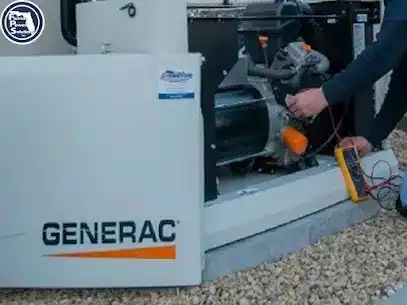
A whole-house generator is a permanent backup power solution designed to automatically restore electricity during an outage. Unlike portable generators, standby generators are installed permanently and connected directly to your home’s electrical system and fuel source.
When utility power drops, an automatic transfer switch detects the outage and signals the generator to start. Within seconds, the generator is running and supplying power to your home. This automatic operation means you never have to fumble in the dark, manually start a generator, or run extension cords through your house.
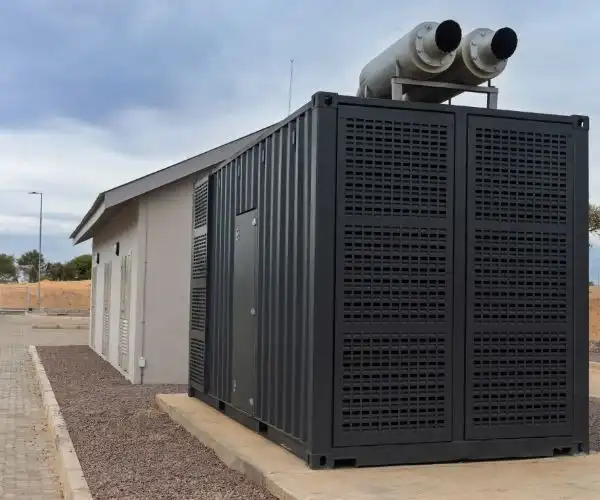
Whole house generators are typically powered by natural gas, propane, or diesel, and can run as long as fuel supply remains available. For homes connected to natural gas, this means effectively unlimited backup during grid outages—a significant advantage during extended storm recovery periods.
Key Benefits of Installing a Home Backup Generator
Uninterrupted Comfort and Convenience
The biggest advantage of a home backup generator is uninterrupted electricity during emergencies. When utility power fails, standby generators automatically activate and power essential systems throughout the home, including air conditioning, refrigeration, Wi-Fi, medical devices, lighting, and home offices. This ensures daily life can continue with minimal disruption even during major storms.
Imagine sitting through a Florida summer without air conditioning—temperatures inside can quickly become unbearable, especially for children, elderly family members, or pets. A standby generator keeps your HVAC system running, maintaining a safe, comfortable environment while others struggle in the heat.
Protection for Your Home and Belongings
Sudden power outages and electrical surges can damage expensive appliances and electronics. Air conditioners, televisions, computers, and refrigerators are all vulnerable to electrical fluctuations. Residential generators provide stable backup power that helps protect sensitive equipment from damage caused by outages and surges, reducing costly repairs and extending appliance lifespan.
Moreover, a standby generator prevents damage from sump pump failures and humidity-related mold growth, protecting your home’s structure and preventing costly repairs. When power goes out, sump pumps stop working, and basements or crawl spaces can flood. Humidity from summer storms can lead to mold growth, compromising indoor air quality and structural integrity.
Enhanced Safety and Security
Power outages compromise important home safety systems. Security cameras, alarm systems, outdoor lighting, and garage doors may stop working without electricity. Backup generators help homeowners maintain security and visibility during storms and blackouts.
Additionally, permanent generators eliminate the safety risks associated with portable units—namely, carbon monoxide exposure and fire hazards from improper operation or fueling. Every year, families experience tragedy from running portable generators indoors or too close to windows. A professionally installed whole-house generator is designed with safety as its top priority, featuring automatic shutdown and proper exhaust routing that keep dangerous gases outside where they belong.
Increased Property Value
Installing a whole-house generator can improve property value and buyer appeal. Many homebuyers view backup power systems as valuable long-term investments, especially in storm-prone areas like Florida. Professionally installed generators can make a home more attractive in competitive real estate markets.
When prospective buyers see a permanent standby generator on the property, they understand they’re purchasing peace of mind. It’s a feature that sets your home apart from others on the market and can be a deciding factor for buyers who have experienced storm-related outages before.
Support for Remote Work and Modern Living
Many Florida residents now work remotely or depend heavily on internet-connected devices in their daily lives. Power interruptions can disrupt online meetings, business operations, education, and communication. Home backup generators help maintain productivity and connectivity during outages.
In today’s connected world, losing power means losing the ability to work, learn, and stay informed. For households relying on medical devices or home healthcare equipment, uninterrupted electricity can be absolutely critical. A residential generator ensures that life goes on, even when the grid goes down.
Peace of Mind for Your Family
Perhaps the most valuable benefit of a home backup generator is intangible—the peace of mind that comes from knowing your family is protected. When storms approach, and neighbors are scrambling to find ice, fuel, and supplies, you can rest easy knowing your home will remain comfortable and functional.
For families with young children, elderly parents, or members with special needs, this peace of mind is priceless. No more worrying about spoiled medication, extreme temperatures, or being cut off from emergency services. A standby generator provides the security that allows you to ride out any storm with confidence.
Choosing the Right Generator for Your Home
Selecting the right generator depends on several factors that a professional installer can help you evaluate.
Home Size and Power Needs: Homes vary in energy requirements. A smaller home may only need to power essential systems, while a larger home with greater energy demands requires more powerful units. A professional installer can calculate your home’s exact power needs based on the appliances and systems you want to keep running during an outage.
Fuel Source: Natural gas generators can run indefinitely as long as the supply remains uninterrupted. Propane- or diesel-powered generators are limited by their fuel tank capacity and may require refueling during prolonged outages. Your location and available utilities will help determine which fuel source makes the most sense for your property.
Automatic Transfer Switch: This component is essential for automatic operation. It isolates utility power from generator power, preventing dangerous backfeeding that could endanger utility workers. The transfer switch ensures a seamless transition between utility and generator power without any manual intervention.
Local Regulations: Most municipalities require permits for standby generator installation, and inspections are typically required. If you have an HOA, check for restrictions on generator placement or noise. Your installer should handle all permitting and ensure your system meets local requirements.
Professional Installation: Why Expertise Matters
Installing a whole-house generator involves high-voltage wiring, integration with your electrical panel, and connection to a permanent fuel source—all areas where mistakes can have serious consequences. Improper wiring can damage appliances, overload circuits, or send dangerous voltage back through utility lines. Poor placement can allow carbon monoxide to enter the home.
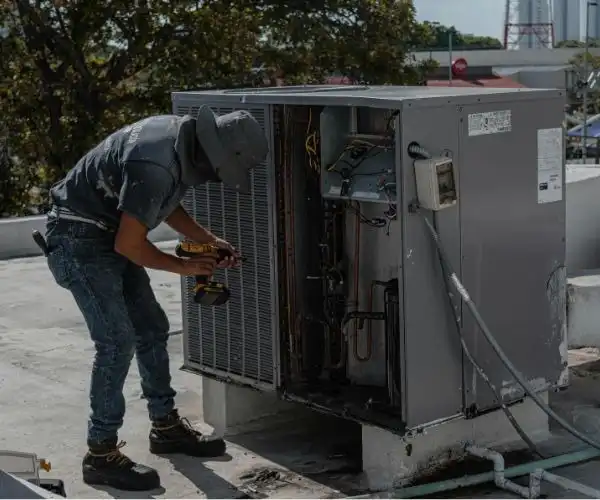
Residential generator installation should be handled only by licensed professionals who are familiar with local codes, permitting requirements, and safety standards. Look for installers who are certified by generator manufacturers and appropriately licensed for both electrical and gas work. Professional installation protects your investment, maintains manufacturer warranties, and ensures your system is safe and code-compliant.
When selecting a residential generator installation company, consider:
- Licensing and Insurance: Verify that the company holds proper state and local licenses and carries adequate insurance.
- Experience: Look for installers with specific experience in generator installation, not just general electrical contractors.
- Manufacturer Certification: Many generator manufacturers certify installers who have completed their training programs.
- References and Reviews: Read customer reviews and ask for references from recent installations.
- Service and Maintenance: Choose a company that offers ongoing maintenance and repair services to keep your generator in peak condition.
Maintenance: Keeping Your Generator Ready
Like any mechanical system, standby generators require regular maintenance to ensure reliable operation when you need them most. Annual servicing typically includes oil changes, battery replacements, and system inspections. Regular servicing ensures your generator starts immediately when you need it most.
Between professional maintenance visits, homeowners should:
- Keep the generator area clear of debris and vegetation
- Test the system monthly to ensure it starts properly
- Check for warning lights or error messages on the control panel
- Ensure fuel levels are adequate for propane or diesel systems
Many modern whole-house generators include self-testing features that automatically run the system for a few minutes each week, alerting you to any issues before an actual emergency occurs.
Peace of Mind That’s Priceless
Florida’s storms are not going away. With hurricanes becoming more intense and power outages growing more frequent, investing in a home backup generator is one of the smartest decisions a Florida homeowner can make. Whether you choose a whole-home system or a more modest standby generator, you’ll gain something invaluable—the peace of mind that comes from knowing your family, home, and belongings are protected when the lights go out.
Don’t wait for the next storm to hit. Contact a qualified residential generator installation professional today and ensure your home is ready for whatever hurricane season brings. Your family’s safety, comfort, and security are worth it.