License: EC0001452

Generator Components and Their Maintenance Tips for Longer Lifespan
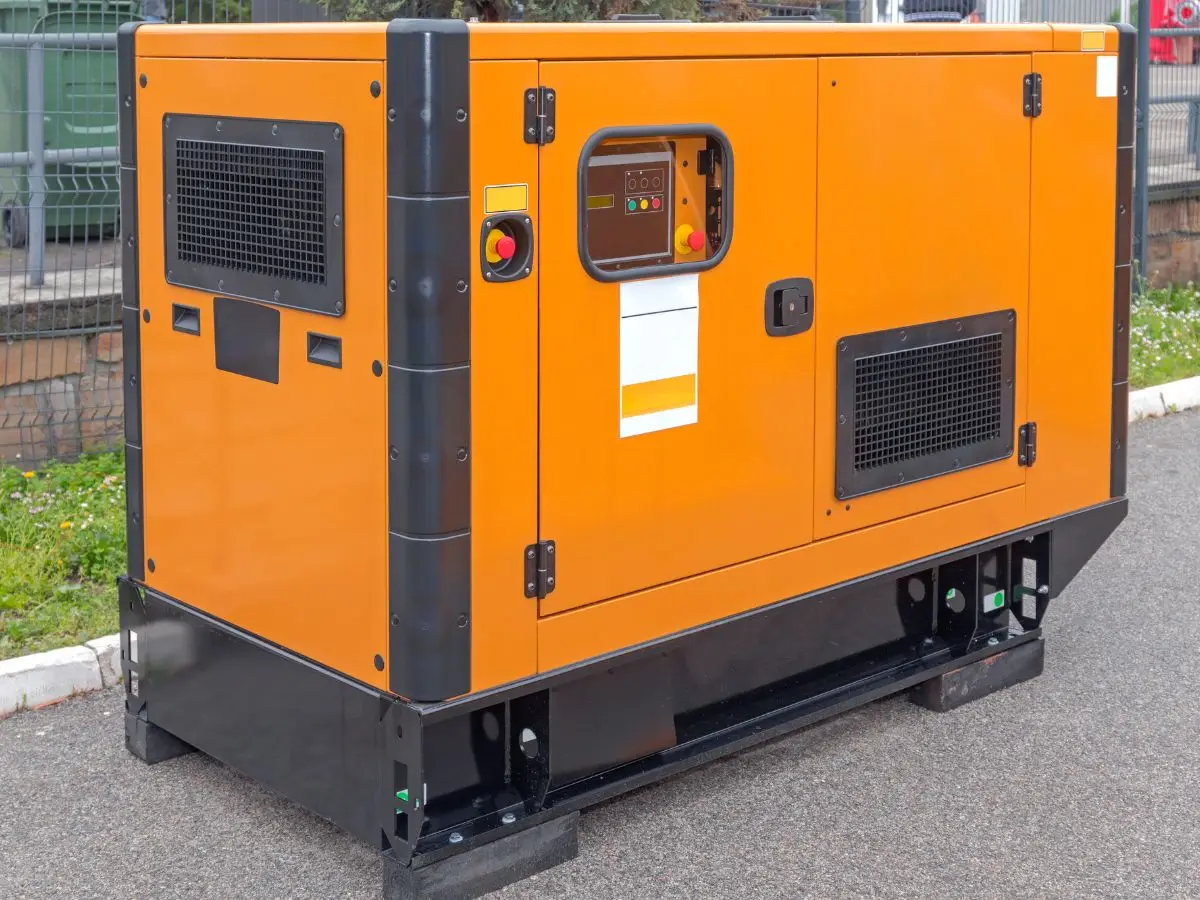
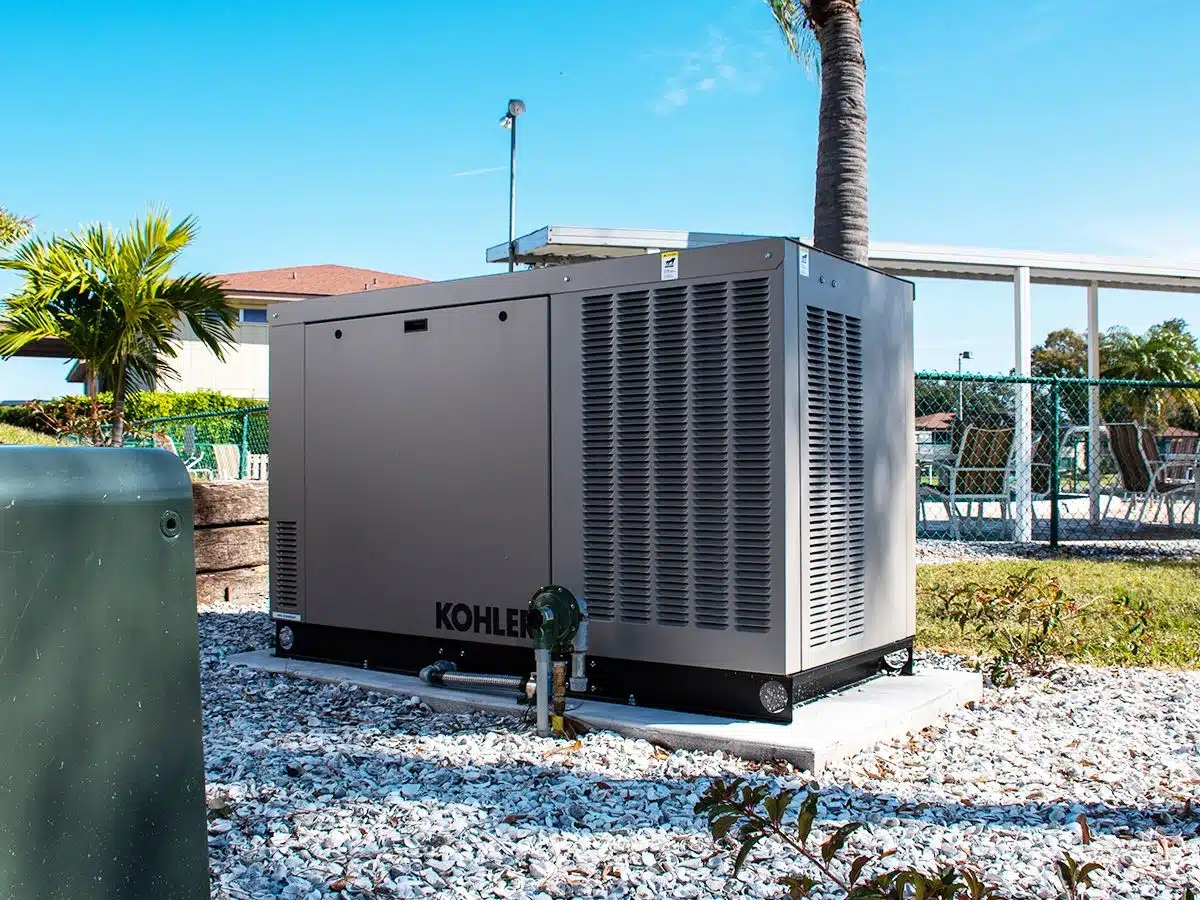
Generators are essential backup power systems for homes and businesses, especially in storm-prone areas like Florida. Whether you rely on a standby unit for hurricane season or use one for daily operational support, understanding the parts of a generator and how they function is key to ensuring long-term reliability.
In this blog, we’ll break down the most important electric generator components, explain how they work together, and share maintenance tips that can extend the lifespan of your system.
Why Understanding Generator Components Matters
A generator is more than just an engine that produces electricity. It’s a coordinated system of mechanical and electrical parts working together. When properly maintained, these generator components can last for many years, delivering consistent and reliable power when you need it most.
Regular maintenance also reduces the need for costly repairs and ensures your unit performs efficiently during emergencies. If you ever require professional assistance, trusted generator repair services can help keep your system in peak condition.
Main Parts of a Generator and Their Functions
Let’s explore the key components of electric generator systems:
1. Engine
The engine is the heart of the generator. It converts fuel (natural gas, propane, or diesel) into mechanical energy.
Maintenance Tips:
- Change engine oil regularly
- Replace oil and air filters as recommended
- Check coolant levels (for liquid-cooled systems)
- Inspect belts and hoses
Routine servicing ensures smooth operation and prevents overheating or internal wear.
2. Alternator (Generator Head)
The alternator is responsible for converting mechanical energy into electrical energy. It consists of a rotor and stator, which work together to generate electricity.
Maintenance Tips:
- Keep the alternator clean and dry
- Inspect wiring connections for corrosion
- Monitor voltage output
- Schedule professional electrical inspections
Proper care of this critical part ensures stable power output and prevents voltage fluctuations.
3. Fuel System
The fuel system includes the tank, fuel pump, fuel lines, and injectors. Any contamination or blockage can reduce efficiency.
Maintenance Tips:
- Check for leaks regularly
- Keep fuel clean and free from water contamination
- Replace fuel filters as needed
- Avoid storing old fuel for extended periods
For homeowners using a generator in Sarasota, where humidity levels are high, preventing fuel contamination is especially important.
4. Voltage Regulator
The voltage regulator ensures consistent voltage levels by controlling the generator’s output.
Maintenance Tips:
- Test voltage stability during inspections
- Look for signs of electrical fluctuation
- Have a technician evaluate irregular performance
A malfunctioning voltage regulator can damage connected appliances and devices.
5. Battery and Charging System
The battery starts the generator during a power outage. If it fails, your generator won’t activate when needed.
Maintenance Tips:
- Test battery charge monthly
- Clean terminals to prevent corrosion
- Replace batteries every 2–3 years
- Ensure the charger is functioning properly
Battery failure is one of the most common generator issues — yet one of the easiest to prevent.
6. Cooling and Exhaust System
Generators produce significant heat during operation. The cooling system prevents overheating, while the exhaust system safely removes combustion gases.
Maintenance Tips:
- Check coolant levels regularly
- Inspect radiator and cooling fan
- Ensure exhaust pipes are clear and undamaged
- Keep ventilation areas unobstructed
Blocked airflow can lead to overheating and internal damage.
7. Control Panel
The control panel is the brain of the system. It monitors performance, displays error codes, and controls startup/shutdown functions.
Maintenance Tips:
- Inspect for warning lights or alerts
- Test automatic transfer switch functionality
- Ensure firmware updates (if applicable) are current
- Schedule periodic professional diagnostics
Modern standby generators rely heavily on smart controls for optimal operation.
Preventative Maintenance for Longer Generator Lifespan
Routine maintenance is essential for protecting all electric generator components. Here are best practices to extend your generator’s lifespan:
1. Schedule Regular Professional Inspections
Professional servicing ensures all generator components are thoroughly checked, cleaned, and tested. Annual or bi-annual inspections are recommended, especially before hurricane season.
If you own a generator in Sarasota, preparing before storm season can prevent unexpected failures during critical moments.
2. Run the Generator Periodically
Generators should not sit idle for long periods.
- Run the unit monthly for 15–30 minutes
- Monitor for unusual noises or vibrations
- Check exhaust output and fuel consumption
Regular exercise keeps moving parts lubricated and prevents system stagnation.
3. Keep the Generator Clean
Dirt, debris, and moisture can damage sensitive components of electric generator systems.
- Clear leaves and debris around the unit
- Maintain proper clearance from landscaping
- Protect against water intrusion
Clean surroundings improve airflow and reduce corrosion risks.
4. Monitor Load Capacity
Avoid overloading your generator. Running it beyond its rated capacity can strain critical parts of a generator, leading to premature wear.
Have a professional calculate your home or business’s power requirements to ensure proper sizing.
Common Warning Signs of Generator Problems
Recognizing early signs of trouble can prevent major repairs:
- Difficulty starting
- Flickering lights or voltage fluctuation
- Excessive smoke
- Unusual engine noises
- Warning lights on control panel
Addressing issues early through professional generator repair services prevents further damage and costly downtime.
Why Professional Maintenance Matters
While basic inspections can be performed by homeowners, servicing internal electric generator components requires technical expertise. Certified technicians use diagnostic tools to test performance, inspect wiring, and ensure optimal functionality.
Professional maintenance ensures:
- Compliance with safety standards
- Accurate performance testing
- Extended equipment lifespan
- Reliable emergency operation
Skipping maintenance may save money short-term, but it often results in higher repair costs later.
Understanding the parts of a generator, including the engine, alternator, fuel system, voltage regulator, battery, cooling system, and control panel, helps you appreciate how these generator components work together to provide dependable power.
Proper care and regular inspections are essential to maintaining the efficiency and reliability of your system. Whether you’re operating a residential standby unit or a commercial system, proactive maintenance protects your investment and ensures peace of mind during power outages.
By staying informed about the components of electric generator systems and following recommended maintenance practices, you can significantly extend your generator’s lifespan and ensure it performs when you need it most.