License: EC0001452

Essential Generator Maintenance Tips for Homeowners
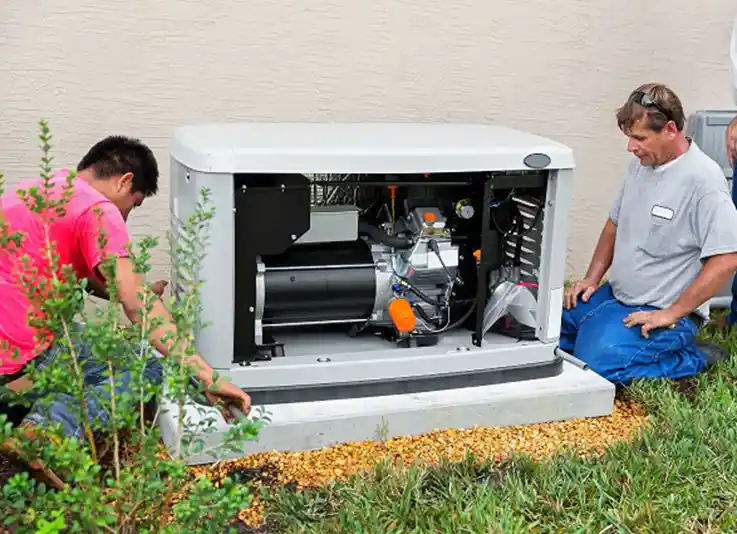
A backup power system is one of the most valuable investments a homeowner can make, especially in areas prone to outages and severe weather. Whether you rely on a residential generator or a whole house generator, proper maintenance is the key to ensuring your system works when you need it most. Unfortunately, many homeowners install a generator and forget about it—until it fails during a power outage.
To avoid unexpected breakdowns and costly repairs, it’s important to follow a consistent maintenance routine. Here are essential generator maintenance tips every homeowner should know.
1. Run Your Generator Regularly
One of the simplest yet most overlooked maintenance steps is running your generator periodically. Generators that sit idle for too long can develop battery issues, fuel problems, or internal wear.
- Run your generator at least once a week for 10–15 minutes
- This keeps internal components lubricated
- Helps identify issues early before they become major problems
Many modern systems, including a whole house generator, come with automatic self-test features. However, manual checks are still recommended.
2. Check Oil and Fluid Levels
Just like a car engine, your generator depends on proper lubrication. Low or dirty oil can damage internal components and reduce performance.
- Check oil levels every few weeks
- Change oil as recommended by the manufacturer
- Inspect coolant and other fluids regularly
Neglecting oil maintenance is one of the leading causes of generator failure.
3. Inspect the Battery
Your generator battery plays a critical role in startup. If the battery fails, your generator won’t turn on during an outage.
- Check battery terminals for corrosion
- Ensure connections are tight
- Replace batteries every 2–3 years
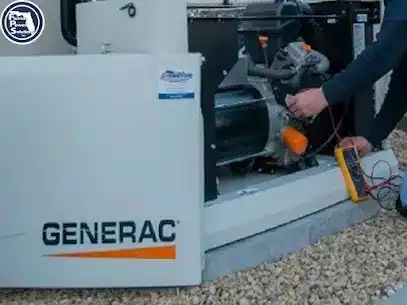
If your system fails to start, it may be time to consider Generac generator repair or a professional inspection.
4. Keep Air Filters Clean
Air filters prevent dust and debris from entering the engine. Dirty filters restrict airflow, reducing efficiency and causing overheating.
- Clean or replace filters every few months
- Inspect more frequently if you live in dusty environments
Clean filters ensure your generator runs smoothly and efficiently.
5. Test Load Capacity
It’s not enough for your generator to run—it needs to handle your home’s power demand.
- Periodically test the generator under load
- Ensure it can power essential appliances
- Watch for unusual noises or performance issues
If your generator struggles, it may indicate the need for servicing or even an upgrade.
6. Schedule Professional Inspections
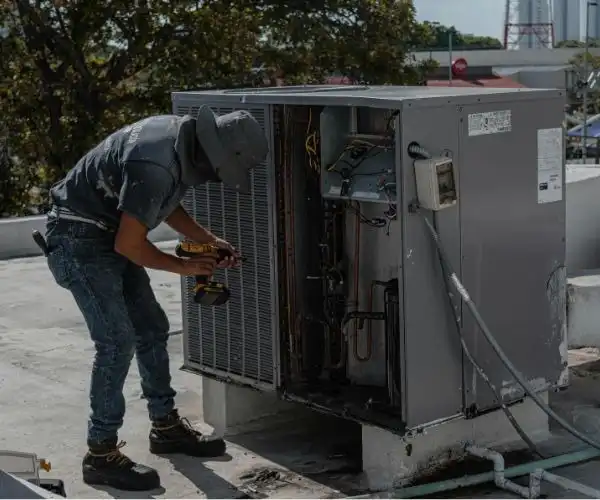
While DIY maintenance is helpful, professional servicing is essential for long-term reliability.
- Schedule annual inspections
- Technicians can detect hidden issues
- Ensure compliance with safety standards
If you’re searching for expert help, many homeowners look for “commercial generators near me” services, but it’s equally important to find specialists experienced in residential systems.
7. Keep the Area Around the Generator Clean
Debris, leaves, and dirt can block ventilation and cause overheating.
- Maintain at least 2–3 feet of clearance
- Remove any obstructions
- Ensure proper airflow
This simple step can significantly extend your generator’s lifespan.
8. Address Repairs Immediately
Small issues can quickly turn into expensive problems if ignored.
- Strange noises
- Delayed startup
- Reduced power output
These are signs you may need generator repair Bradenton FL or a trusted technician in your area.
Final Thoughts
A well-maintained generator ensures your home remains powered during emergencies. Whether you rely on a residential generator or a whole house generator, regular upkeep protects your investment and provides peace of mind.
If you’re looking for reliable maintenance, installation, or Generac generator repair, Florida Power Solutions offers expert services tailored to your needs. From residential systems to commercial generators, their team ensures your backup power solution is always ready when you need it most.
Ready to protect your home? Our residential generator installation in Sarasota page covers sizing, brands and next steps.