License: EC0001452

Monthly, Quarterly, and Annual Residential Generator Maintenance Checklist
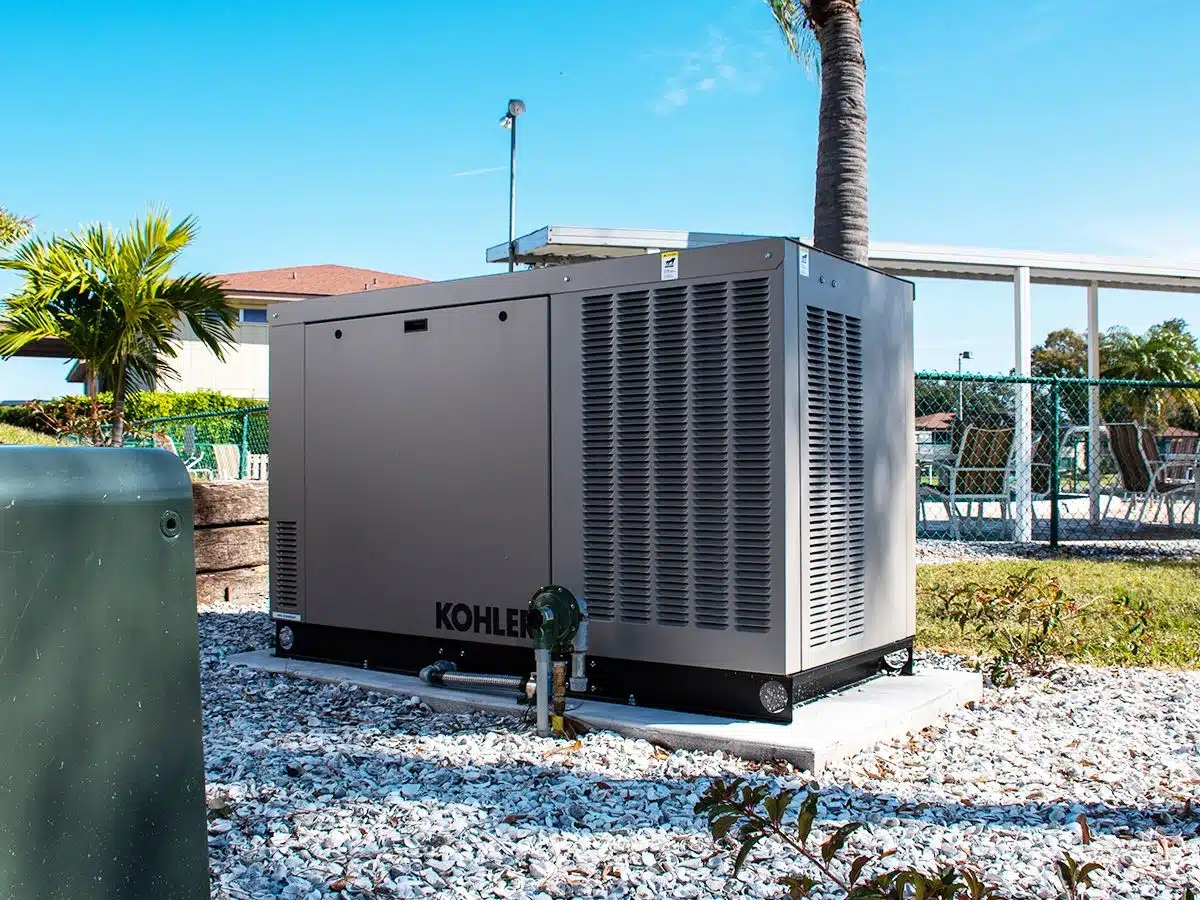
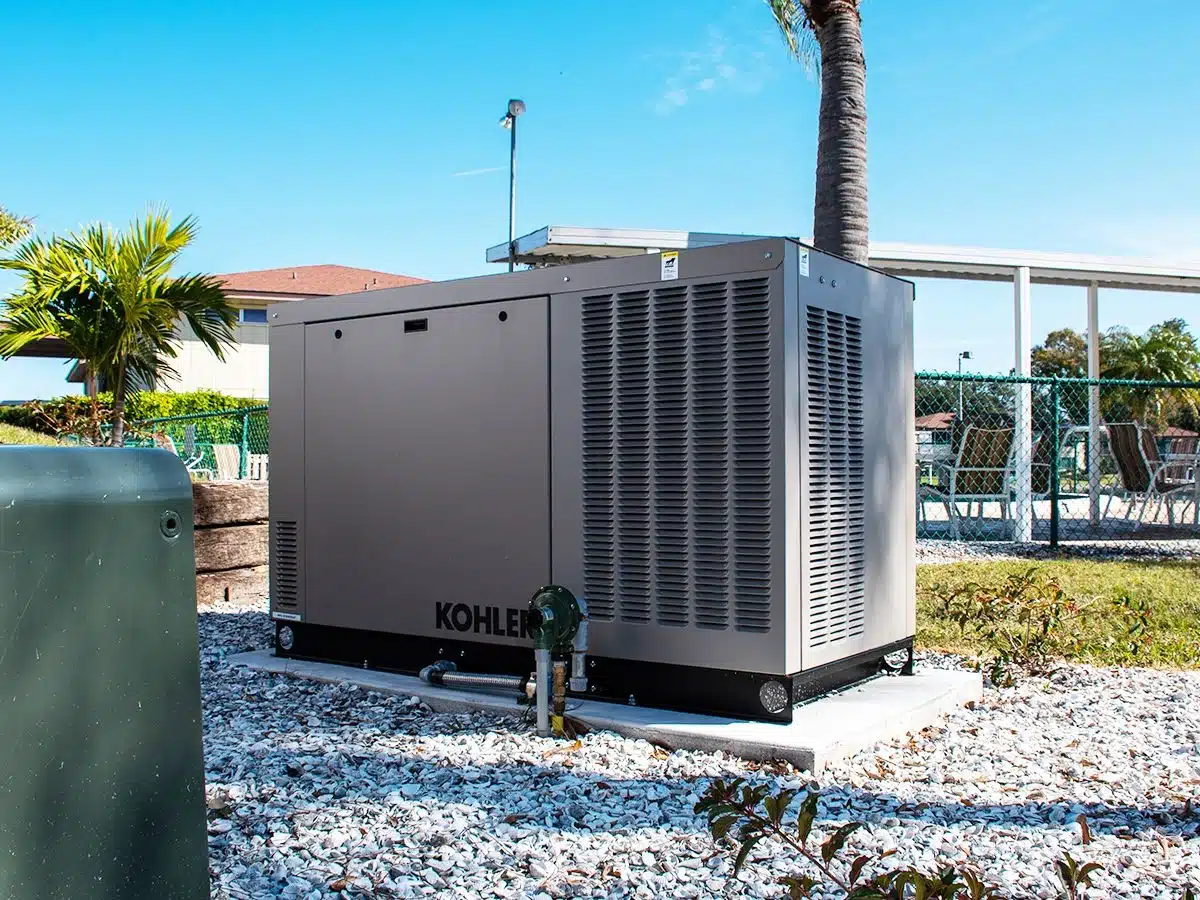
A residential generator is a critical investment that protects your home during power outages caused by storms, grid failures, or unexpected emergencies. However, owning a generator isn’t enough—generator maintenance is essential to ensure it works exactly when you need it most. Without regular upkeep, even the best generator can fail at the worst possible time.
This blog breaks down a practical generator inspection checklist into monthly, quarterly, and annual tasks, helping homeowners extend equipment life, improve reliability, and avoid costly repairs.
Why Generator Maintenance Matters
Generators sit idle for long periods, making them vulnerable to issues such as battery failure, fuel degradation, corrosion, and worn components. A structured checklist for generator maintenance ensures small problems are caught early—before they turn into major failures.
Benefits of regular generator maintenance include:
- Reliable startup during outages
- Longer generator lifespan
- Improved fuel efficiency
- Reduced repair and replacement costs
- Compliance with manufacturer warranties
Whether you own a residential generator or manage commercial generators, routine inspections are key to dependable performance.
Monthly Residential Generator Maintenance Checklist
Monthly checks are quick but essential. These inspections help ensure your generator is always ready to run.
1. Visual Inspection
Perform a walk-around inspection of the generator unit:
- Look for oil leaks, corrosion, or loose connections
- Check hoses and belts for cracks or wear
- Ensure vents and air intakes are unobstructed
This simple step helps catch visible issues early.
2. Check Fluid Levels
Verify levels of:
- Engine oil
- Coolant (if applicable)
- Fuel
Low or contaminated fluids can cause overheating or engine damage. Keeping fluids topped off is a basic yet vital part of generator maintenance.
3. Battery Inspection
Battery failure is one of the most common generator issues.
- Check battery terminals for corrosion
- Ensure connections are tight
- Confirm battery charge levels
A weak battery can prevent the generator from starting during an outage.
4. Run the Generator
Start the generator and let it run for 10–15 minutes:
- Listen for unusual noises
- Observe engine performance
- Ensure smooth operation
Regular runtime keeps internal components lubricated and prevents moisture buildup.
Quarterly Generator Inspection Checklist
Quarterly maintenance goes a step further, focusing on performance and system integrity.
1. Inspect Fuel System
Fuel quality is critical for generator reliability.
- Check for fuel leaks or cracked fuel lines
- Inspect fuel filters for clogging
- Ensure fuel levels are adequate
Fuel degradation is a common cause of generator failure, especially in standby units.
2. Test Automatic Transfer Switch
The automatic transfer switch ensures your generator activates when power is lost.
- Simulate a power outage
- Confirm smooth transition from utility to generator power
- Ensure power returns properly when the grid is restored
This is a key item on any professional generator inspection checklist.
3. Examine Electrical Connections
Loose or corroded electrical connections can cause voltage fluctuations or startup issues.
- Inspect wiring and terminals
- Look for signs of overheating
- Tighten loose connections
These checks help maintain safe and efficient operation.
Annual Residential Generator Maintenance Checklist
Annual maintenance is the most thorough and should ideally be handled by trained professionals.
1. Change Oil and Filters
Over time, oil degrades even if the generator hasn’t been used heavily.
- Replace engine oil
- Change oil, fuel, and air filters
Clean oil and filters improve engine performance and reduce wear.
2. Inspect Spark Plugs and Belts
Worn spark plugs or belts can cause startup failures.
- Replace spark plugs as needed
- Inspect belts for cracks or looseness
This preventive step ensures reliable ignition and smooth operation.
3. Load Bank Testing
Load testing verifies the generator can handle real-world power demands.
- Simulates electrical load conditions
- Identifies hidden performance issues
- Confirms proper voltage and frequency output
Load testing is especially important for both residential generator systems and commercial generators.
4. Comprehensive System Inspection
A full system inspection includes:
- Cooling system check
- Exhaust system inspection
- Controller and sensor diagnostics
Annual inspections provide peace of mind and ensure long-term reliability.
DIY vs Professional Generator Maintenance
While homeowners can handle basic monthly checks, professional service is recommended for quarterly and annual inspections. Certified technicians follow manufacturer-specific checklist for generator maintenance and have the tools to detect issues not visible to the untrained eye.
Professional generator maintenance services offer:
- Manufacturer-compliant inspections
- Advanced diagnostics
- Safe handling of electrical components
- Detailed maintenance reports
This is especially important for Florida homeowners who rely heavily on backup power during hurricane season.
Residential vs Commercial Generator Maintenance
Although this guide focuses on residential systems, many maintenance principles also apply to commercial generators. Commercial units typically require:
- More frequent inspections
- Larger fuel system management
- Stricter compliance standards
Whether for a home or business, consistent generator maintenance ensures uninterrupted power when it matters most.
Choosing the Right Generator for Your Needs
If you’re considering installing or upgrading a generator, explore these options:
- Residential generator solutions designed to protect homes during outages
- Commercial generators are built for businesses that need continuous power
Choosing the right system makes maintenance easier and improves overall reliability.
Common Generator Maintenance Mistakes to Avoid
To get the most from your generator, avoid these common errors:
- Skipping routine inspections
- Ignoring warning alerts or error codes
- Using old or contaminated fuel
- Failing to test the generator under load
Following a structured generator inspection checklist prevents these mistakes and keeps your system ready year-round.
A generator is only as reliable as the maintenance behind it. By following a structured monthly, quarterly, and annual generator maintenance plan, homeowners can ensure dependable power during emergencies and extend the life of their equipment.
From basic inspections to professional servicing, a detailed checklist for generator care helps prevent breakdowns and costly repairs. Whether you rely on a residential generator for your home or manage commercial generators for a business, consistent maintenance is the key to uninterrupted power and peace of mind.