License: EC0001452

Residential vs. Commercial Generator Installations: Key Differences Explained
Power outages can disrupt daily life and business operations alike, but the solutions used to restore electricity vary greatly depending on the setting. Homeowners often look for comfort and safety, while businesses require continuity, compliance, and protection against financial loss. This is where the difference between residential and commercial generator installations becomes critical.
In this blog, we’ll clearly explain the key differences between residential and commercial generator installations, covering design, capacity, cost, maintenance, and use cases—so you can choose the right building backup generator solution for your needs.
Why Backup Power Is No Longer Optional
With increasing extreme weather events, aging power grids, and growing electricity demands, outages are becoming more frequent. Whether it’s keeping lights on at home or ensuring business operations continue, backup power has shifted from a luxury to a necessity.
For businesses especially, commercial backup power protects revenue, data, safety systems, and customer trust during unexpected power interruptions.
Understanding Residential Generator Installations
Residential generator systems are designed to support essential household needs during power outages. These systems are typically smaller, simpler, and focused on comfort and safety.
A professionally installed residential generator can automatically power key systems such as:
- Lighting
- Refrigerators and freezers
- HVAC systems
- Wi-Fi and communication devices
- Medical equipment
Residential generators are usually powered by natural gas or propane and are permanently installed outside the home.
Understanding Commercial Generator Installations
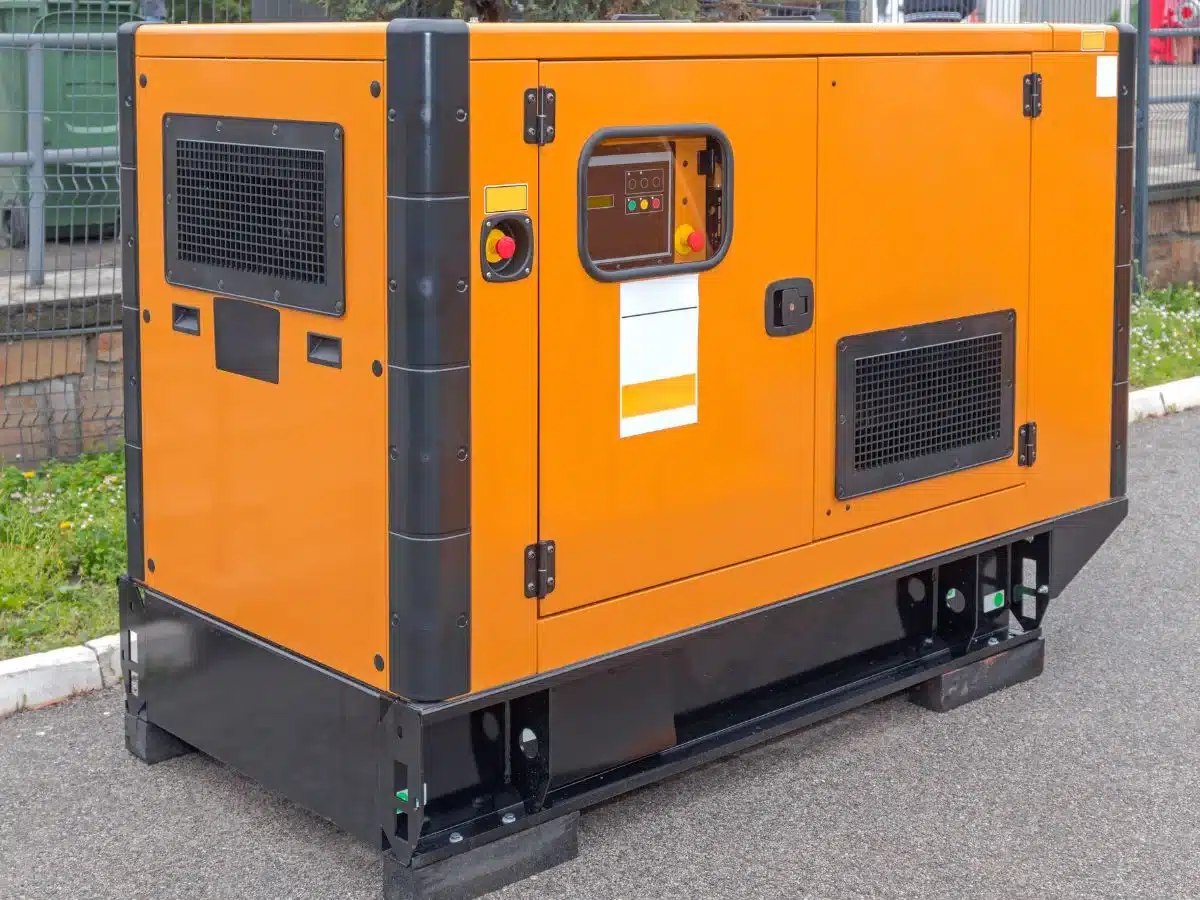
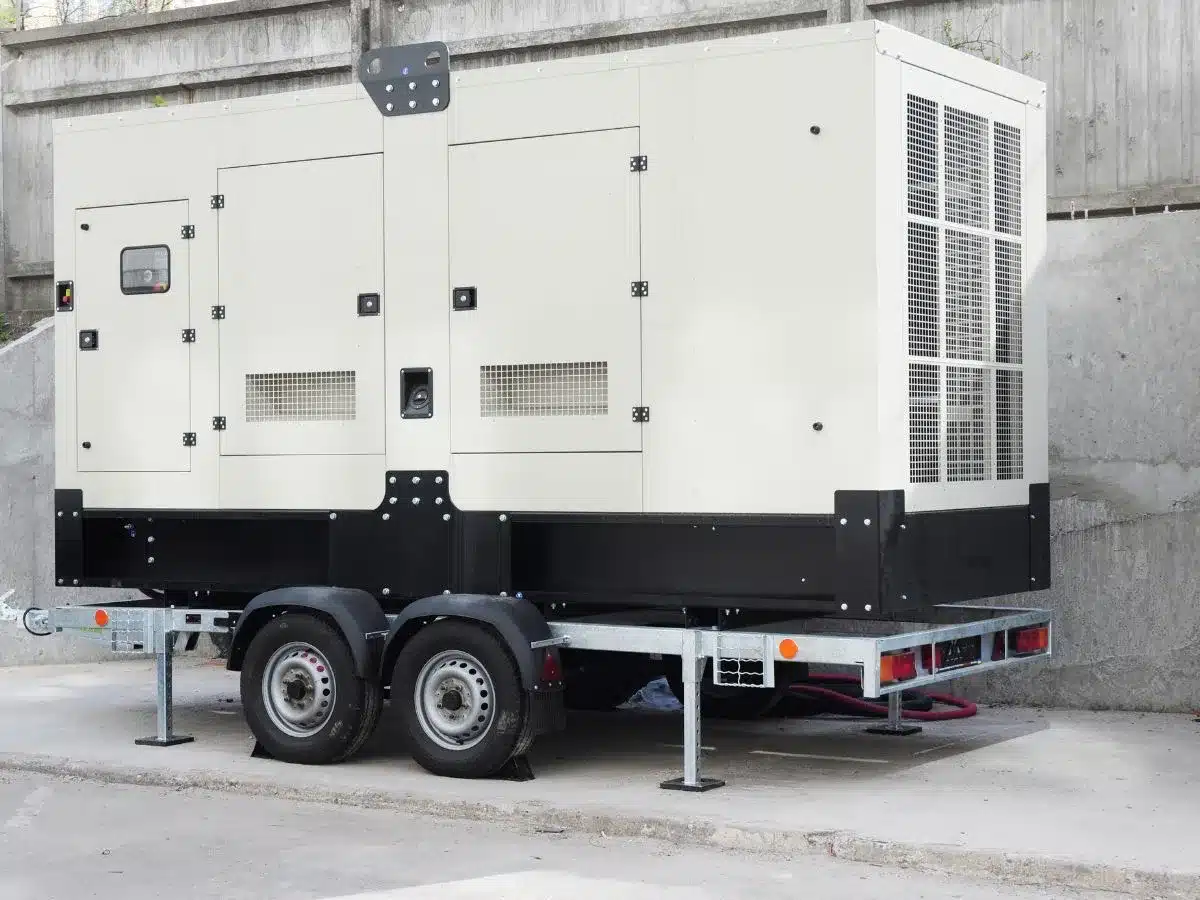
Commercial generator systems are built for much higher demands. Businesses rely on continuous power to avoid downtime, equipment damage, and compliance issues.
Professional commercial generators are engineered to support:
- Entire buildings or large facilities
- Heavy machinery and industrial equipment
- Data centers and server rooms
- Refrigeration and cold storage
- Safety and security systems
A commercial backup generator must handle higher loads and operate reliably for extended periods, often under strict regulatory standards.
Key Difference #1: Power Capacity and Load Requirements
One of the most significant differences between residential and commercial generators is power capacity.
Residential Generators:
- Typically range from 10kW to 26kW
- Power essential household circuits or the entire home
- Designed for intermittent use
Commercial Generators:
- Can range from 30kW to several megawatts
- Power entire facilities or critical systems
- Built for long runtimes and heavy loads
Businesses require robust commercial backup power solutions to support continuous operations without interruption.
Key Difference #2: Installation Complexity
Installing a generator for a home is generally straightforward, while commercial installations are far more complex.
Residential Installation:
- Simpler electrical integration
- Fewer permits and inspections
- Smaller footprint
- Faster installation timeline
Commercial Installation:
- Complex electrical and mechanical systems
- Load analysis and engineering assessments
- Multiple permits and inspections
- Compliance with fire, safety, and building codes
A building backup generator for commercial use often requires detailed planning and professional coordination.
Key Difference #3: Code Compliance and Regulations
Residential generators must meet local building and electrical codes, but commercial generators face stricter regulations.
Commercial installations often require:
- Compliance with OSHA standards
- Local and state fire codes
- Environmental and emissions regulations
- Industry-specific requirements (healthcare, food service, data centers)
Failing to meet these standards can result in fines, shutdowns, or insurance issues.
Key Difference #4: Runtime and Fuel Management
Residential generators are typically designed for short- to medium-duration outages, depending on fuel availability.
Commercial systems, however, are built for extended runtime and may include:
- Larger fuel tanks
- Diesel, natural gas, or dual-fuel options
- Automatic fuel monitoring
- Load management systems
A commercial backup generator must be capable of running for hours—or even days—during prolonged outages.
Key Difference #5: Maintenance and Testing Requirements
Both residential and commercial generators require maintenance, but commercial systems demand a higher level of oversight.
Residential Maintenance:
- Annual inspections
- Periodic test runs
- Basic servicing
Commercial Maintenance:
- Regular load testing
- Frequent inspections
- Detailed service records
- Compliance documentation
Routine testing ensures commercial backup power systems function flawlessly when needed most.
Key Difference #6: Cost and Long-Term Investment
The cost difference between residential and commercial generator installations is substantial.
Residential Generators:
- Lower upfront costs
- Smaller installation scope
- Minimal operational expenses
Commercial Generators:
- Higher initial investment
- Engineering and compliance costs
- Ongoing maintenance and testing
However, for businesses, the cost of downtime often far exceeds the cost of installing a reliable building backup generator.
Which Generator Is Right for You?
The choice between residential and commercial generators depends on how power loss affects you.
Choose a Residential Generator If:
- You want comfort and safety during outages
- You need to power essential home systems
- Downtime is inconvenient but not financially damaging
Choose a Commercial Generator If:
- Power loss impacts revenue or safety
- You must meet regulatory requirements
- Continuous operations are critical
For businesses, a commercial backup generator is not just a backup—it’s a core part of operational resilience.
Future-Proofing With the Right Backup Power Solution
As power reliability becomes more uncertain, investing in the right generator system ensures peace of mind. Residential systems protect families, while commercial systems protect livelihoods, data, and infrastructure.
Professional installation and ongoing service ensure your generator performs reliably for years to come.
While residential and commercial generators both serve the same basic purpose—restoring power during outages—their design, installation, and capabilities are vastly different. Residential systems focus on comfort and convenience, while commercial backup power solutions are engineered for performance, compliance, and continuity.
Understanding these differences helps you choose the right building backup generator solution, ensuring you’re fully prepared when the grid goes down. Whether for home or business, the right generator investment today can prevent major losses tomorrow.