License: EC0001452

How Regular Generator Maintenance Prevents Costly Breakdowns
A generator is an insurance policy against the unexpected. Whether safeguarding a home, a healthcare facility, or a data center, this “silent guardian” stands ready to restore power and peace of mind. But like any sophisticated piece of machinery, a generator cannot be left to its own devices. It demands regular, proactive care.
Neglecting generator maintenance is a high-stakes gamble. When the power grid fails, a generator that hasn’t been properly serviced is likely to fail too. This guide explains why routine preventive generator maintenance is non-negotiable, outlining the essential tasks and schedules that keep your generator ready for action, year after year.
Why Generators Fail (and How Maintenance Prevents It)
A generator isn’t a “set it and forget it” device. It has a complex engine, a sophisticated electrical system, and a network of fluids and filters that all degrade over time. Without a generator service plan, several issues can arise:
- Battery Failure: The battery is the heart of the starting system and is famously the number one reason a backup generator fails to start. Corroded terminals, low electrolyte levels, or a battery that has simply aged past its prime can leave you powerless when you need power most.
- Fuel System Problems: Fuel degrades. Condensation can collect in the tank, and bacterial growth can clog filters. A blocked air filter will “suffocate” the engine, leading to reduced power or a failure to start.
- Fluid Breakdown: Just like in a car, engine oil breaks down and becomes contaminated. Failing to change the oil and filters leads to excessive wear and tear on the engine’s internal components.
- Electrical Faults: Over time, wiring can fray, connections can corrode, and the automatic transfer switch can develop issues that prevent a seamless switch from utility to generator power.
Preventive generator maintenance is designed to catch and correct these issues before they cause a breakdown. With proper care, a backup generator can last for 20 years or more, but without it, failure is only a matter of time.
The Essential Generator Maintenance Schedule
The exact standby generator maintenance schedule will depend on the manufacturer’s recommendations and how often the unit runs. However, a general and effective routine looks like this:
Weekly: The Frontline Defense
The most important habit to develop is listening and observing during the generator’s weekly self-test.
- Listen: Get familiar with the sound of a normal test cycle. Any new noises like sputtering, rattling, or grinding are early warning signs.
- Look: Check that the status light on the generator or transfer switch remains green (“Ready”). A yellow or red light indicates a problem.
Monthly: Visual and Fluid Checks
Once a month, take a few minutes to perform a more thorough visual inspection and check vital fluids:
- Visual Inspection: Look for any oil or coolant leaks, frayed wiring, or debris around the unit. Ensure all vents are clear for proper airflow.
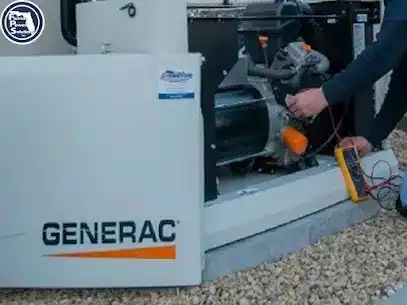
- Battery Check: Inspect battery terminals for corrosion and ensure connections are tight. A simple voltmeter test can confirm it’s holding a proper charge.
- Fluid Levels: Check the engine oil and coolant levels. Top them off with the manufacturer-recommended fluids.
Annually: The Professional Tune-Up
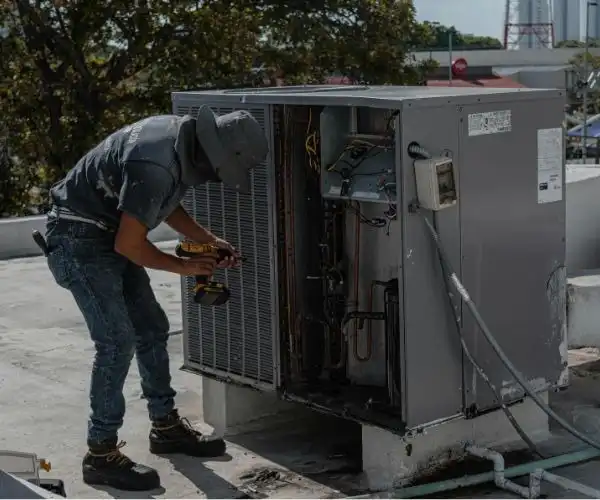
While owner-performed checks are essential, an annual professional generator service is the key to long-term reliability. A certified technician brings specialized tools and expertise to perform tasks that go far beyond a visual inspection:
- Oil and Filter Change: This is non-negotiable. For a brand-new generator, the first oil change is often recommended after just 20-30 hours of runtime to remove break-in metal particles.
- Filter Replacements: Replacing the air, oil, and fuel filters ensures the engine is getting clean air, clean oil, and clean fuel.
- Valve Lash Adjustment: Over time, engine valves can fall out of precise alignment. A valve adjustment restores peak engine efficiency and prevents long-term wear.
- Load Bank Testing: This is the ultimate test. A technician applies a full electrical load to the generator, forcing it to run at maximum capacity. This proves it can handle the demand of your entire home or business and often reveals hidden electrical issues that would otherwise go unnoticed until an actual outage.
- Comprehensive Diagnostics and Software Updates: Technicians check the alternator’s electrical output and ensure the control system is running the latest software for optimal performance.
When to Adjust Your Schedule
The “once-a-year” rule is a good baseline for a residential standby generator. However, you may need more frequent service if:
- You run your generator often: If your area experiences frequent power outages, your generator will accumulate hours faster. A good rule of thumb is to service it every 200 hours of use.
- You live in a harsh environment: Extreme temperatures, high humidity, or dusty conditions can stress components and accelerate wear.
Conclusion: Don’t Leave It to Chance
A generator that fails to start during a storm is worse than no generator at all—it’s a false sense of security. By following a consistent preventive maintenance schedule for your generator, you are not just maintaining a machine; you are protecting your family, your business, and your investment. It is a small price to pay for the assurance that when the lights go out, your power will stay on. Schedule your professional generator service today and ensure your generator is always ready to answer the call.