License: EC0001452

Backup Power Solutions for Healthcare Facilities: What Facility Managers Should Know
When the power goes out in a hospital, it isn’t an inconvenience. It’s a crisis. Ventilators stop. Surgical lights go dark. Medication refrigerators warm up. Patient monitors fail. Every second without power is a second where patient safety is compromised.
For facility managers in healthcare, backup power isn’t a luxury or an afterthought. It’s a life-safety requirement governed by strict codes, scrutinized by accrediting bodies, and tested relentlessly to ensure it works when it matters most. Understanding the landscape of healthcare backup power—from regulatory requirements to generator selection and maintenance—is essential for anyone responsible for keeping a medical facility running.
The Regulatory Framework: More than Just Guidelines
Healthcare backup power is governed by some of the most stringent standards in any industry. In the United States, two codes dominate the conversation: NFPA 99 and NFPA 110.
NFPA 99, the Health Care Facilities Code, defines risk categories for different areas of a facility and dictates the electrical systems required for each. It establishes the Essential Electrical System (EES), which is divided into three distinct branches. The Life Safety Branch powers egress lighting, fire alarms, and exit signs—systems that help people evacuate safely. The Critical Branch powers patient care equipment: ventilators, operating room lighting, ICU monitors, and other life-support devices where failure could cause immediate harm. The Equipment Branch supports essential facility operations like medical air compressors and vacuum pumps, where brief interruptions are less immediately dangerous but still require backup .
NFPA 110 sets the performance standard for the generator system itself. The most critical requirement: the emergency power supply system must detect a power failure, start the generator, and supply power to the EES within 10 seconds. That ten-second window is non-negotiable. For a patient on a ventilator, ten seconds of uncertainty is ten seconds too many.
Beyond NFPA, The Joint Commission and CMS (Centers for Medicare & Medicaid Services) enforce compliance through accreditation surveys and funding requirements. Facility managers must maintain meticulous testing logs and maintenance records—not just to pass inspections, but to demonstrate that the system will perform when lives depend on it .
Sizing Your Generator: It’s Not Just About Square Footage
One of the most common mistakes in healthcare backup power is under sizing the generator. A hospital’s emergency load isn’t simply a fraction of its total electrical demand. It’s a carefully calculated sum of the Life Safety, Critical, and Equipment branches, with additional capacity for motor inrush currents from HVAC systems, medical air compressors, and other large equipment.
Facility managers should work with qualified engineers to perform a circuit-by-circuit load calculation. The goal isn’t to power the entire facility during an outage—it’s to power the right systems for the right duration. Non-essential loads like cafeteria equipment, gift shops, and administrative areas can be shed to extend fuel availability and maintain clinical operations during extended outages.
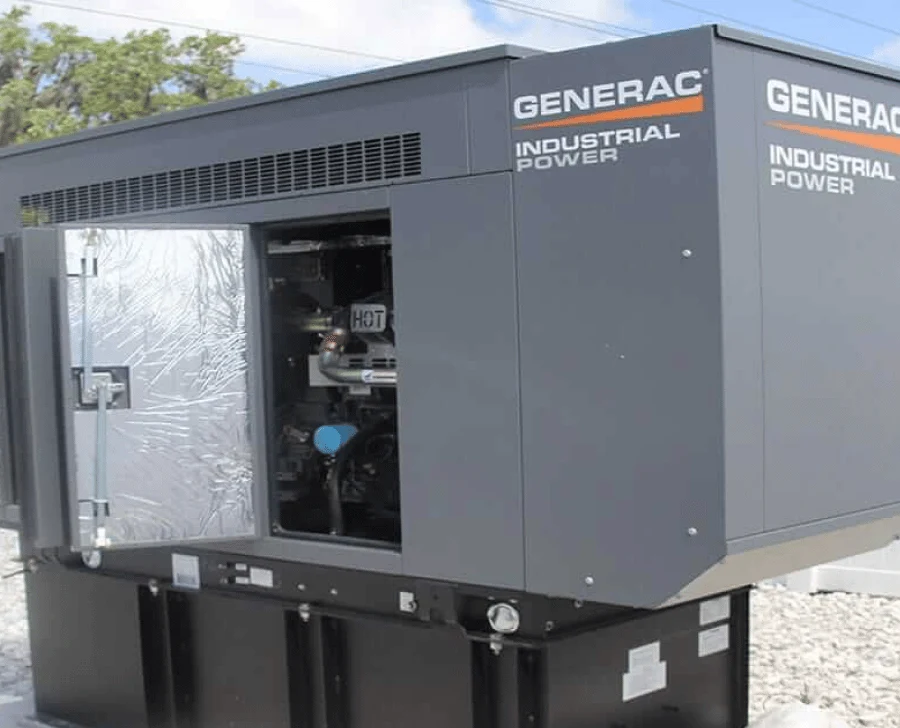
Fuel source is another critical decision. Diesel generators remain the industry standard for healthcare because they provide on-site fuel storage that isn’t dependent on an external utility pipeline. Natural gas is an option, but in a disaster scenario where gas lines may be compromised, diesel’s self-contained reliability is difficult to match. Most healthcare facilities aim for 72 to 96 hours of on-site fuel runtime, with contingency plans for refueling during extended events .
The Role of UPS Systems: Bridging the Gap
Generators don’t start instantly—even the fastest systems take a few seconds. That’s where Uninterruptible Power Supplies (UPS) come in. For life-critical equipment like ventilators, patient monitors, and infusion pumps, a UPS provides instantaneous battery backup that bridges the gap between grid failure and generator startup.
The key specification for medical UPS systems is zero transfer time. Only online double-conversion UPS units provide true 0 ms transfer, ensuring that sensitive medical equipment never experiences even a momentary interruption. A 2-5 ms transfer from a line-interactive UPS can cause monitors to alarm, reset, or lose data—an unacceptable risk in a clinical setting.
Facility managers should consider a tiered approach: central UPS for the critical power distribution, department-level UPS for ICU and operating rooms, and equipment-level UPS for individual life-critical devices. Runtime requirements vary—10 to 15 minutes is sufficient to bridge to generator power, but facilities without generator backup may need 60 minutes or more for ventilator support .
Testing and Maintenance: The Unseen Work That Saves Lives
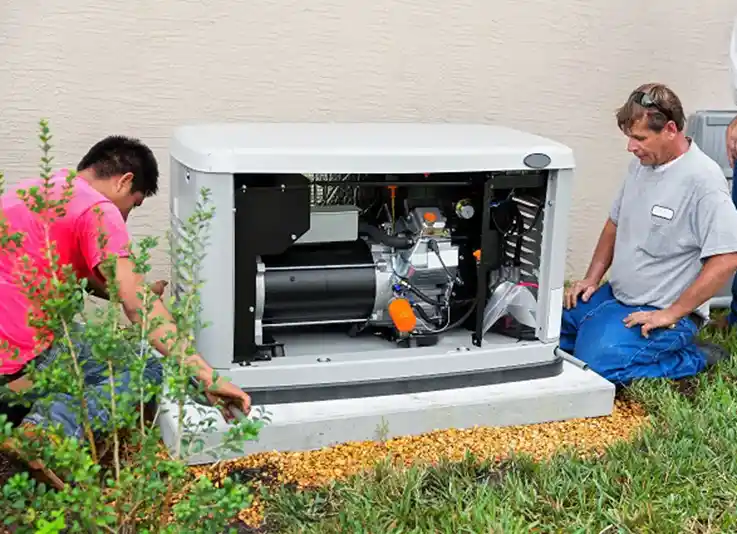
A generator that hasn’t been tested is a generator you can’t trust. NFPA 110 mandates a rigorous testing schedule: weekly no-load test runs of 30 minutes, monthly load bank tests at a minimum of 30% rated load, and annual full-load tests at 100% capacity . These aren’t bureaucratic box-checking exercises. They’re the only way to verify that the system will perform under real-world conditions.
But testing the engine is only part of the equation. Fuel quality degrades over time, especially in stored diesel. Microbial growth, water contamination, and oxidation can clog filters and prevent the generator from starting. Oil analysis can detect early signs of wear or contamination before they cause catastrophic failure. Coolant testing ensures the engine won’t overheat during extended operation.
For facility managers in Florida, where hurricanes and severe storms are a seasonal reality, this maintenance discipline takes on added urgency. A generator that sat idle for months during the off-season must be ready to carry the facility through days of grid instability. Partnering with a service provider that offers monitoring, scheduled maintenance, and emergency repair ensures that the system is always prepared.
Choosing the Right Partner
Not all generator companies understand the unique demands of healthcare facilities. The stakes are higher, the codes are stricter, and the margin for error is zero. Facility managers should look for partners with demonstrated experience in commercial and industrial generator systems, factory-trained technicians, and a track record of serving critical infrastructure.
In the Sarasota area, Florida Power Solutions provides commercial generator sales, installation, maintenance, and service. As a family-owned, state-certified electrical contractor, they understand the local climate risks—hurricanes, storm surges, and extended grid outages—that healthcare facilities must plan for. Their turnkey approach covers everything from sizing and installation to ongoing service, ensuring that facility managers have a single point of accountability for their backup power system.
The Bottom Line
Backup power for healthcare facilities is not a “set it and forget it” investment. It requires thoughtful design, code-compliant installation, rigorous testing, and ongoing maintenance. Facility managers who understand the regulatory landscape, size their systems correctly, and partner with experienced professionals are the ones who ensure that when the grid fails, patient care continues without interruption.
The power will go out. The question is whether your facility is ready.
Recent Posts